What is Laparoscopic Cholecystectomy?
Laparoscopic cholecystectomy is a type of minimally invasive gallbladder removal surgery. Doctors use this procedure to remove the gallbladder through small cuts in the belly. The gallbladder is a small organ that stores bile, which helps digest fat. Because this surgery uses tiny tools and a camera, it often leads to less pain and a quicker recovery. Many people choose laparoscopic cholecystectomy because it is safer and easier than open surgery.
Indications: Who Needs the Procedure?
Not everyone needs their gallbladder removed. However, some people have problems that make surgery necessary. For example, you may need laparoscopic cholecystectomy if you have:
Usually, your doctor will suggest this surgery if other treatments do not help. Sometimes, people with certain health problems may need a different type of surgery.
How the Procedure is Performed
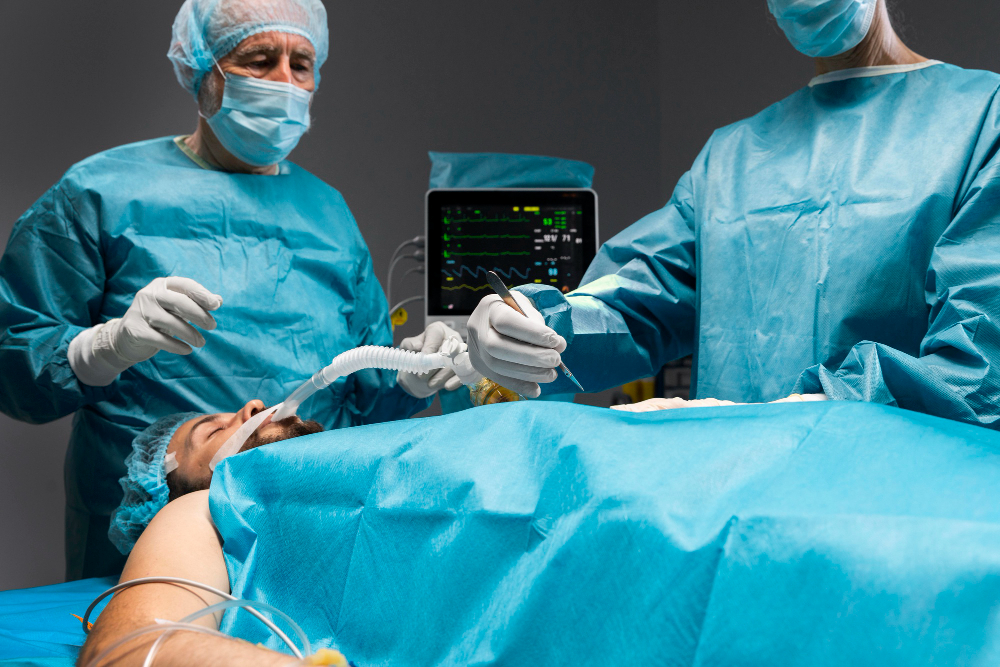
First, you will get anesthesia so you sleep during the surgery. Next, the surgeon makes a few small cuts in your belly. Through these cuts, the doctor inserts a tiny camera and special tools. The camera shows the inside of your belly on a screen. Then, the surgeon carefully removes the gallbladder. After that, the cuts are closed with stitches or glue. Most people go home the same day or the next day.
Benefits of Laparoscopic Cholecystectomy
This minimally invasive gallbladder surgery has many advantages. For instance, you may notice:
Because the cuts are small, your body heals more quickly. In addition, you may feel better sooner compared to open surgery.
Risks and Possible Complications
Although laparoscopic cholecystectomy is safe, every surgery has some risks. For example, you might experience:
However, serious problems are rare. Your doctor will discuss these risks with you before surgery. If you notice severe pain, fever, or yellow skin after surgery, contact your doctor right away.
Recovery and Aftercare
After laparoscopic gallbladder removal, most people recover quickly. Usually, you can walk a few hours after surgery. Many people return home the same day. At home, you should rest and avoid heavy lifting for about one week. Most people return to work or school within one to two weeks. Eating light meals and drinking plenty of water can help your body heal. If you have questions, your doctor or nurse can guide you.
Tips for a Smooth Recovery
With these steps, you can help your body heal faster and avoid problems.
Frequently Asked Questions
If you are considering laparoscopic cholecystectomy, talk to a qualified surgeon at Sparsh Multi-Speciality Hospital, Katni. They can answer your questions and help you decide what is best for your health.