
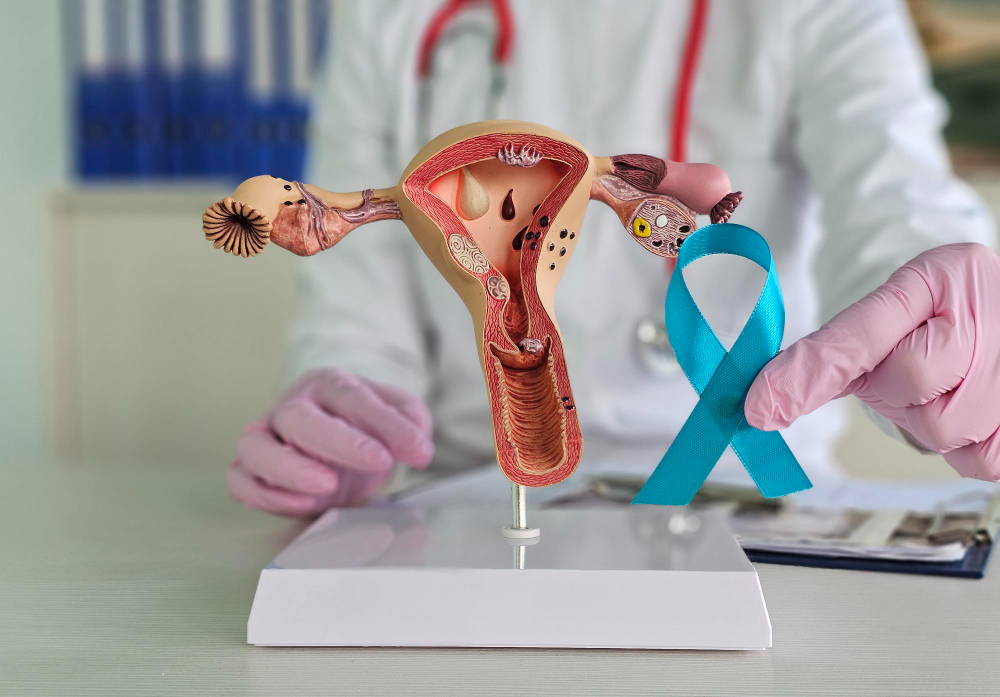
What is Cervical Cancer?
Cervical cancer is a type of cancer that starts in the cervix. The cervix is the lower part of the uterus that connects to the vagina. Most cases of cervical cancer are linked to a common virus called human papillomavirus (HPV). Early detection is important because cervical cancer can often be treated successfully when found early. Regular cervical cancer screening helps find changes before they turn into cancer.
Symptoms of Cervical Cancer
At first, cervical cancer may not cause any symptoms. However, as it grows, you may notice signs. Knowing the early signs of cervical cancer can help you seek care sooner. Common symptoms include:
Still, these symptoms can also be caused by other health problems. Therefore, it is important to talk to a doctor if you notice any changes.
Causes and Risk Factors
Most cervical cancer cases are caused by long-lasting infection with certain types of HPV. But, not everyone with HPV will get cervical cancer. Other risk factors include:
Because HPV and cervical cancer are closely linked, getting the HPV vaccine can lower your risk. In addition, practicing safe sex and not smoking can help protect you.
Diagnosis Methods
Doctors use several tests to find cervical cancer. Early detection is key. Common diagnosis methods include:
Because regular cervical cancer screening can find problems early, it is important to follow your doctor’s advice on when to get tested.
Treatment Options
Treatment for cervical cancer depends on the stage and your overall health. Your doctor will discuss the best plan for you. Common treatment options include:
Sometimes, doctors use more than one treatment. For example, surgery may be followed by radiation or chemotherapy. Early-stage cervical cancer often has better outcomes.
Prevention and Lifestyle Tips
There are steps you can take to lower your risk of cervical cancer. Here are some helpful cervical cancer prevention tips:
Because prevention is better than cure, following these tips can help protect your health.
When to See a Doctor
If you notice any unusual symptoms, such as bleeding or pain, see a doctor right away. Even if you feel fine, it is important to keep up with regular cervical cancer screening. Early signs of cervical cancer can be easy to miss. Therefore, regular check-ups are key. If you have questions about HPV and cervical cancer, your doctor can provide answers and guidance.
In summary, cervical cancer can often be prevented or treated if found early. Consult Sparsh Multi-Speciality Hospital Katni for personalized advice on cervical cancer prevention and treatment.