
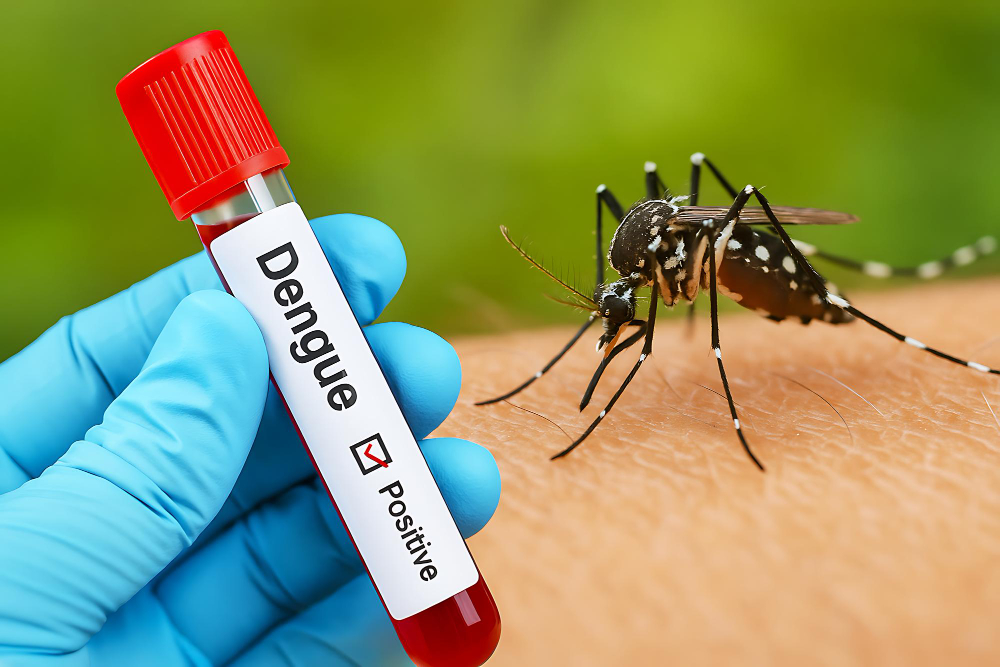
What is Dengue Fever?
Dengue fever is a common mosquito-borne disease found in many warm countries. It spreads quickly, especially during rainy seasons. The illness is caused by the dengue virus, which is carried by Aedes mosquitoes. According to the World Health Organization (WHO), millions of people get dengue fever each year. While most cases are mild, some can become severe. Early care helps prevent serious problems. Because dengue fever can affect anyone, it is important to know the facts.
Symptoms of Dengue Fever
Usually, symptoms of dengue fever appear four to ten days after a mosquito bite. However, some people may not notice any signs. Common dengue symptoms include:
Sometimes, symptoms can get worse. For example, severe dengue (also called dengue hemorrhagic fever) can cause bleeding, organ damage, or shock. If you notice these signs, seek help right away.
Causes and Transmission
Dengue fever is caused by four types of dengue viruses. These viruses spread through the bite of infected Aedes mosquitoes, mainly Aedes aegypti. Importantly, these mosquitoes bite during the day. They breed in standing water, such as buckets, flower pots, or old tires. Although dengue fever does not spread directly from person to person, an infected person can pass the virus to mosquitoes. Then, these mosquitoes can infect others. Because of this, controlling mosquitoes is key to stopping dengue outbreaks.
Diagnosis Methods
If you have symptoms of dengue fever, a doctor can help. First, they will ask about your symptoms and travel history. Next, they may order blood tests. These tests check for the dengue virus or your body’s response to it. Early diagnosis is important. It helps doctors give the right care and watch for severe problems. If you feel sick after visiting a place with dengue, tell your doctor right away.
Treatment Options
Currently, there is no specific medicine to cure dengue fever. However, most people recover with proper care. Treatment focuses on easing symptoms and preventing complications. Doctors may suggest:
Do not take aspirin or ibuprofen, as these can increase bleeding risk. In severe cases, hospital care may be needed. Doctors will watch for warning signs and give fluids through a vein if needed. With early treatment, most people get better in one to two weeks.
Prevention Tips
Because there is no widely available vaccine for dengue fever, prevention is very important. You can lower your risk by:
Community efforts, such as cleaning public spaces and spraying for mosquitoes, also help reduce dengue outbreaks. Everyone can play a part in dengue prevention.
When to Seek Medical Help
Most cases of dengue fever are mild. However, some people may develop severe symptoms. Seek medical help right away if you notice:
Early care can save lives. Do not wait if you feel worse or see warning signs.
In summary, dengue fever is a serious but preventable disease. Knowing the symptoms, causes, and prevention steps can help protect you and your family. Consult Sparsh Multi-Speciality Hospital Katni for personalized advice on dengue fever.